
Short answer: Yes, but only on one policy. Bupa pays for laser eye surgery on Gold Ultimate Health Cover, its top combined hospital and extras policy. The government’s policy statement for Gold Ultimate lists 100% cover for laser eye surgery by Bupa-recognised providers, with a 3-year waiting period for new members, and it excludes lens implants and wavefront scans (privatehealth.gov.au). Bupa’s other policies do not list a laser eye surgery benefit. Check your own policy with Bupa before you book.
At Focus Vision in Brisbane, “Does Bupa cover laser eye surgery?” is one of the first questions new patients ask. This guide sets out what Bupa’s own documents say, what the benefit does and doesn’t include, and how to check your cover. It is general information, not insurance or financial advice, and Bupa changes its products from time to time. To compare Bupa with other funds, see which health funds cover laser eye surgery.
Which Bupa policy pays for laser eye surgery?
Two Bupa policies list a laser eye surgery benefit:
- Gold Ultimate Health Cover. A single package that combines hospital and extras cover. You don’t buy a separate “Ultimate Extras” policy to go with it; the laser eye benefit is part of the package (Bupa).
- Ultimate Corporate Health Cover – Gold. The employer version of the same cover. Its policy statements are marked closed to new members (privatehealth.gov.au).
Bupa’s extras guide lists laser eye correction surgery as applying to Gold Ultimate Health Cover and Corporate Ultimate Health Cover (Bupa). The policy statements we checked for Bupa’s Top Extras, for example, list optical benefits for glasses and contact lenses but no laser eye surgery benefit (privatehealth.gov.au).
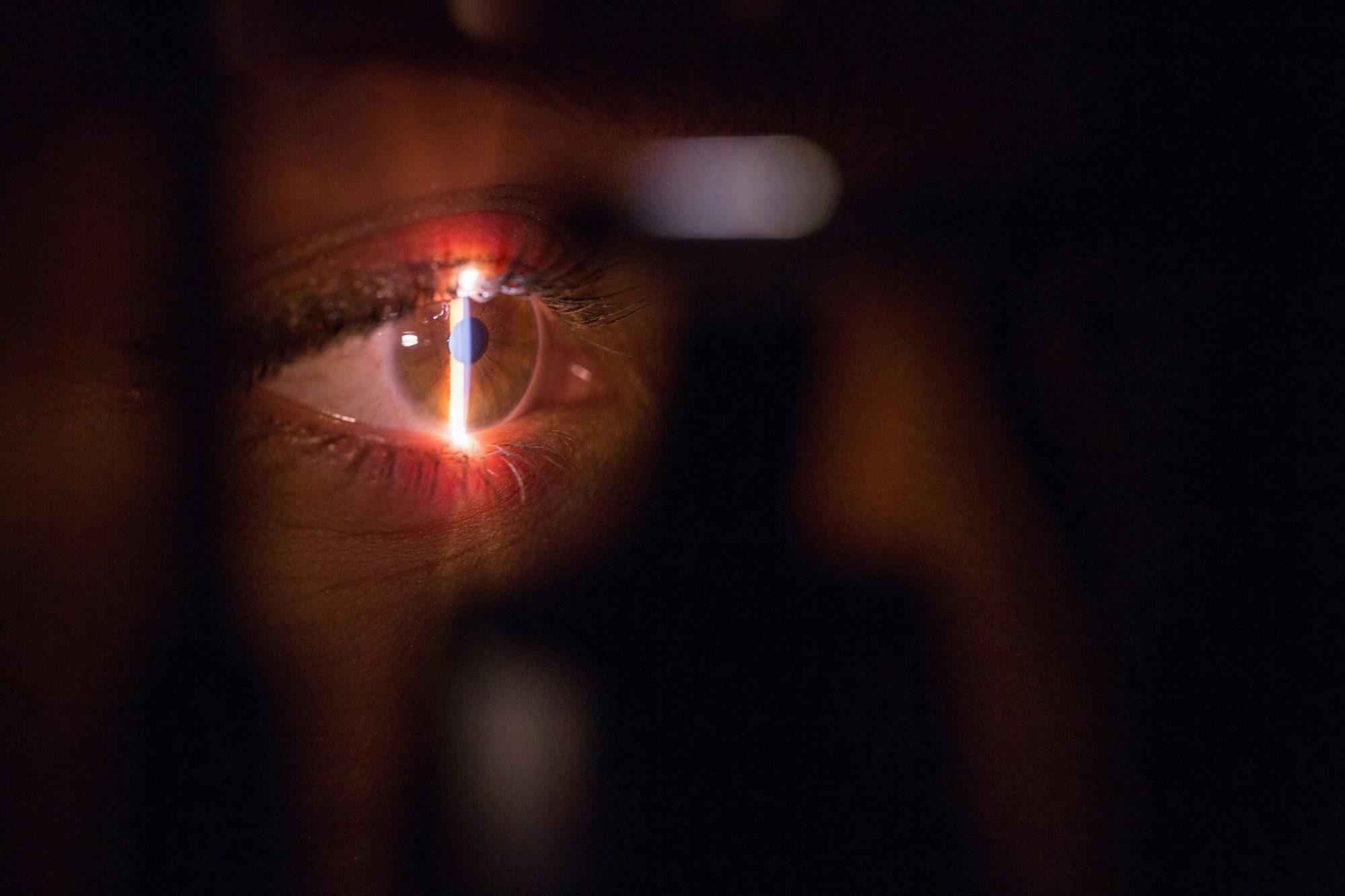
What Gold Ultimate pays, and the conditions
| What Bupa’s documents say | |
|---|---|
| Benefit | 100% of the cost of laser eye surgery |
| Provider | Must be a Bupa-recognised provider |
| Waiting period | 3 years (36 months) for new members joining the policy |
| Excluded | Lens implants for eye correction, and wavefront scans |
| Other policies | No laser eye surgery benefit listed |
Sources: the Gold Ultimate Private Health Information Statement (privatehealth.gov.au), Bupa’s 2026 retail brochure (Bupa) and Bupa’s fund rules (Bupa).
The 3-year waiting period. Bupa’s fund rules list 3 years for laser eye correction surgery, against 2 months for most extras (Bupa), and Bupa’s own guide to starting your cover says the same (Bupa). The time counts from when you join Gold Ultimate, so if you upgrade today the benefit is three years away. If you are moving to Bupa from another fund that paid a laser eye benefit, ask Bupa in writing whether any of your time carries over.
Bupa-recognised providers. Bupa decides which practitioners and facilities are recognised (Bupa fund rules). Focus Vision works with Bupa members, and our team can give Bupa the details it needs. Ask Bupa to confirm that your surgeon, the hospital and your planned procedure qualify before you book.
Which procedures count. The benefit is described as laser eye surgery. LASIK, TransPRK and CLEAR lenticule extraction all reshape the cornea with a laser; quote the exact procedure your surgeon recommends when you call Bupa so they can confirm it in writing.
What isn’t covered. Bupa’s statement excludes lens implants for eye correction and wavefront scans (privatehealth.gov.au). That means an implantable contact lens (ICL) or refractive lens exchange done to correct your prescription is not paid under this benefit.
What if you’re on another Bupa policy?
Most Bupa members hold a Silver, Bronze or Basic hospital policy, or a mid-level extras policy. None of these list a laser eye surgery benefit, so elective laser eye surgery is paid privately. Your cover can still matter for your eyes in other ways:
- Cataract surgery. Cataract surgery is a separate clinical category in private hospital cover. It is a minimum requirement of Gold hospital policies and optional on Silver, Bronze and Basic (privatehealth.gov.au). Bupa’s own cataract page explains which of its policies include it (Bupa). Cataract surgery is also Medicare-eligible.
- Optical extras. Benefits for glasses and contact lenses do not apply to laser eye surgery, but they are useful when you compare the long-run cost of glasses and contacts with surgery.
Medicare and laser eye surgery
Medicare does not pay for laser eye surgery to correct short-sightedness, long-sightedness or astigmatism, because it is treated as elective (healthdirect). The same applies to ICL surgery done for refractive purposes. Cataract surgery is different: it has a Medicare item (MBS item 42702), and clinically indicated pterygium surgery is also Medicare-eligible.
Should you upgrade to Gold Ultimate for laser eye surgery?
There is no single answer, and we can’t give financial advice. A simple way to think about it:
- Ask Bupa for the Gold Ultimate premium for your situation, and the difference from what you pay now.
- Multiply the difference by at least three years, because that is how long you wait before you can claim.
- Compare that with your surgery price. At Focus Vision, all-inclusive prices per eye are TransPRK from $3,500, LASIK and Ray Tracing LASIK from $4,250, and CLEAR from $4,250. Prescribed medications and eye drops are extra (our costs page).
- Weigh the other benefits of Gold Ultimate (it is Bupa’s top hospital cover) and whether you would keep it anyway.
Your eyes also need to be suitable at the end of the wait. Prescriptions should be stable, and the right procedure depends on your corneas, which is why an assessment comes first.
How to check your own Bupa cover
- Find your policy statement. Every Australian policy has a Private Health Information Statement on privatehealth.gov.au. Search for your exact policy name and state.
- Look in the myBupa app or call Bupa with your membership number. Ask:
- Does my policy include laser eye correction surgery, and how much will you pay for [procedure name]?
- When did my waiting period start, and when does it finish?
- Are my surgeon and hospital Bupa-recognised for this procedure?
- What isn’t covered (for example scans, consultations or medications)?
- Get the answer in writing or saved in the app before you book surgery.
Our team checks your entitlements as part of your free optometrist assessment, and can give Bupa the procedure details they need.
If your procedure isn’t covered
Focus Vision’s prices are all-inclusive per eye: pre-operative assessments, the procedure and a year of follow-up appointments, with no surcharge for higher prescriptions. Prescribed medications and eye drops are purchased separately. Interest-free payment plans over 24 months start from $34 a week, and enhancements are free for two years under our enhancement policy. See the full price list on our costs page.
On Medibank instead? See Does Medibank cover laser eye surgery?
To find out whether you’re suitable and what your cover will pay, book a free optometrist assessment or call (07) 3239 5005.
This article is general information only and is not insurance, financial or medical advice. Health insurance products change; always confirm your cover with Bupa using your membership number.
References
- Bupa HI Pty Ltd. Gold Ultimate Health Cover: Private Health Information Statement (Queensland). privatehealth.gov.au. privatehealth.gov.au/dynamic/Download/BUP/J1/QAXA2D
- Bupa HI Pty Ltd. Ultimate Corporate Health Cover – Gold: Private Health Information Statement. privatehealth.gov.au. privatehealth.gov.au/dynamic/Download/BUP/J2/WEJE10
- Bupa Australia. Gold Ultimate Health Cover. bupa.com.au/health-insurance/cover/gold-ultimate-health-cover
- Bupa Australia. Understanding your extras cover. bupa.com.au/health-insurance/understanding-your-health-cover/understanding-your-extras-cover
- Bupa Australia. Retail health insurance brochure (effective 2 March 2026). bupa.com.au
- Bupa HI Pty Ltd. Fund Rules (effective 2 March 2026). bupa.com.au
- Bupa Australia. Start using your health insurance. bupa.com.au/health-insurance/understanding-your-health-cover/start-using-your-cover
- Bupa HI Pty Ltd. Top Extras: Private Health Information Statement. privatehealth.gov.au. privatehealth.gov.au/dynamic/Download/BUP/I17/WBMT2D
- Australian Government. Private health insurance product tiers. privatehealth.gov.au. privatehealth.gov.au/health_insurance/howitworks/producttiers.htm
- Bupa Australia. Cataracts cover. bupa.com.au/health-insurance/tiers/gold-cover/cataracts
- healthdirect Australia. Laser eye surgery. healthdirect.gov.au/laser-eye-surgery
- Australian Government Department of Health. Medicare Benefits Schedule, Item 42702. MBS Online. www9.health.gov.au